 Grants 101IRA
 101Start
FundraisingMeet The
TeamIRA -Direct Federal Spend

We are going to get into all sorts of fun topics such as types of grants, where to apply for grants, and even grant controversy! This is all valuable primer for uncovering how the IRA can service your climate project, so grab a coffee or tea and let's dive in!
Everybody knows about federal grants, but almost nobody knows how to manage them. Billions of dollars are marked every year to fund projects, businesses, and more, but often the largest obstacle to getting these funds is simply the grant application process. It’s complicated, it’s arcane, and more than anything, it’s exhaustive. Fortunately, there are MANY resources that can help people and organizations navigate the troubled waters of grant application to get their climate projects funded and moving.
There are many types of federal grants available in the United States. Before you can get anywhere in your own grant research and application process, you must know what type of grant you can apply for. Broadly speaking these fall into 3 boxes: Categorical Grants, Block Grants, and Earmark Grants
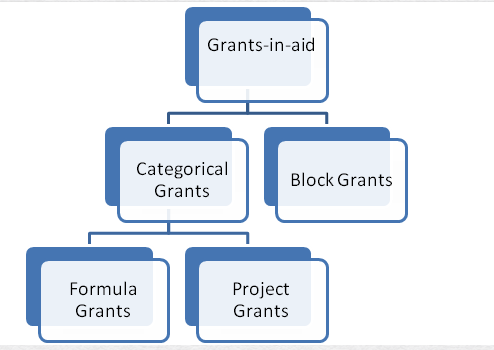
Categorical Grants
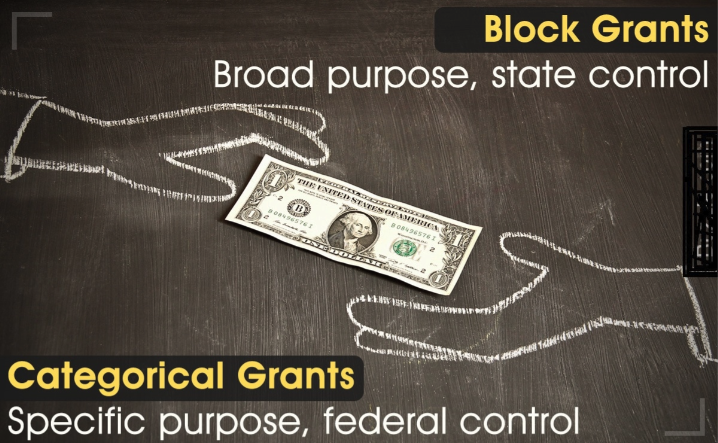
Categorical grants are the main source of federal aid to local and state governments, and can only be used for specific purposes and projects. These grants come with very strict guidelines and conditions on how the money can be spent. These funds are earmarked for particular categories and purposes, such as education, healthcare, transportation, or infrastructure development. Categorical grants aim to ensure that the money allocated by the federal government is used for specific projects, often aligning with federal priorities and policies. Categorical grants aim to ensure that the money allocated by the federal government is used for specific projects or programs, often aligning with federal priorities or policies. They offer more control to the federal government over how the funds are utilized by recipients, ensuring they are used for intended purposes rather than at the discretion of the receiving entity.
There are two types of categorical grants:
Project grants:
These grants are awarded for specific projects proposed by the recipient, such as research grants, infrastructure development, or educational programs.
Formula grants:
These grants allocate funds based on a predetermined formula, considering factors like population size, income levels, or other demographic indicators. Examples include Medicaid and highway funding.
Categorical grants serve as a mechanism for the federal government to influence and support specific areas of importance without directly administering programs at the local level. However, they can also be a point of contention as they may come with strings attached, potentially limiting the flexibility of the recipients in using the funds to address their unique needs.

Block Grants
Block grants are a type of grant-in-aid provided by the federal government to state or local governments with broader guidelines and significantly more flexibility in how the funds can be used compared to categorical grants. These grants consolidate several categorical grants or programs into a single funding stream, allowing the recipient to decide how to allocate the money based on local priorities and needs.
Key characteristics of block grants include:
Flexibility: Unlike categorical grants that have specific purposes and stringent guidelines, block grants offer more flexibility to the recipient. States or local governments have more discretion in determining how to allocate the funds across various programs or initiatives within a broad policy area.
Broader scope: Block grants cover a wider range of services or programs within a particular policy area, such as community development, healthcare, social services, or education. Instead of being earmarked for a single purpose, these grants can be used for multiple related programs.
Reduced federal oversight: Compared to categorical grants, block grants typically involve less federal oversight and fewer detailed requirements on how the funds should be spent. This gives more authority to the recipient to design and implement programs that best suit their local needs.
Examples of block grants in the United States include the Community Development Block Grant (CDBG), the Temporary Assistance for Needy Families (TANF), and the Substance Abuse Prevention and Treatment Block Grant.
While block grants offer greater flexibility and local control, they can also be subject to criticism. Some argue that the reduced federal oversight might lead to inconsistencies in how funds are used across different states or localities and potentially undermine the achievement of specific national goals or standards set by the federal government.
Earmark grants refer to specific allocations of funds within a larger spending bill or budget for particular projects, programs, or purposes. These allocations are often directed to benefit a specific state, district, locality, or organization, and they are typically inserted into legislation by individual legislators.
Key points about earmark grants include:
Specific allocation: Earmarks designate a portion of funds within a broader spending bill for a particular project or purpose, often at the request of a legislator. These can include infrastructure projects, research initiatives, educational programs, or community development projects.
Congressional discretion: Earmarks are subject to the discretion of individual legislators who advocate for funding for specific projects or programs that benefit their constituencies. They are often included in spending bills as a way for lawmakers to direct federal funds to projects that they believe are important or beneficial for their constituents.
Earmarks have been a topic of controversy in government spending. The heavy involvement of paid lobbyists in securing them has garnered particular controversy. Critics also argue that earmarks can lead to wasteful spending, favoritism, or the allocation of funds to projects that might not align with national priorities. However, proponents argue that earmarks can fund crucial local projects that might otherwise not receive attention or funding. In recent years, there have been efforts to limit or reform the use of earmarks to address concerns about transparency, accountability, and fiscal responsibility.

Grants.Gov
Grant Writing *Psst, this was my favorite resource for grant assistance at my previous job
Grant Proposal Writing
Harvard Catalyst - Techniques for Competitive Grants